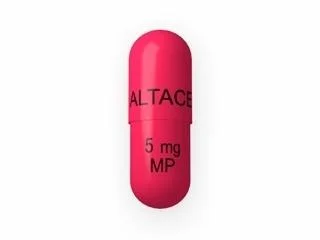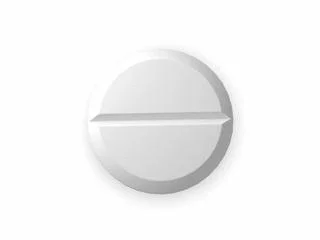
Furosemide Tablets
40 · 100mg
Indicated to mitigate fluid retention and utilized to address oedema effectively for improved cardiac and renal management.
Heart failure means the heart cannot pump blood around the body as well as it should. It does not mean the heart has stopped, but it can cause fatigue and breathlessness.
40 · 100mg
Indicated to mitigate fluid retention and utilized to address oedema effectively for improved cardiac and renal management.
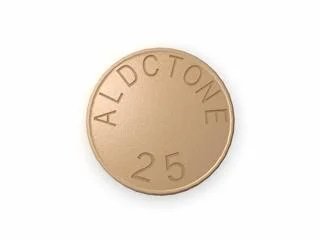
25 · 100mg
Developed to manage oedema associated with congestive heart failure and to support blood pressure regulation by increasing salt and water excretion.

5 · 10mg
Developed to manage hypertension and indicated to alleviate risks associated with congestive heart failure while maintained to support cardiovascular stability.

2.5 · 5 · 10mg
Formulated to address hypertension, intended to alleviate cardiovascular strain and to support heart function.
3.125 · 6.25 · 12.5 · 25mg
Designed to alleviate cardiac strain, this medication is indicated to support the management of hypertension and chronic heart failure by reducing heart rate.

25mg
Indicated to address hypertension, this vasodilator is utilized to mitigate high blood pressure and to support the management of chronic heart failure.

97/103mg
Sacubitril and valsartan tablets for heart failure. They combine two actions to reduce strain on a failing heart.

25 · 50mg
Designed to mitigate hypertension symptoms indicated to support cardiovascular health.

25mg
Eplerenone tablets for high blood pressure and after a heart attack. It is a potassium-sparing diuretic, so it works differently from other blood pressure medicines.
0.25mg
Digoxin tablets for heart failure and atrial fibrillation. It helps the heart beat more strongly and at a steadier rhythm.
Listed products contain medicine groups used in heart failure, including ACE inhibitors, angiotensin receptor blockers, beta blockers, mineralocorticoid receptor antagonists, SGLT2 inhibitors, a sacubitril and valsartan combination, and digoxin. For example, Spironolactone is a mineralocorticoid receptor antagonist, while Lisinopril is an ACE inhibitor. These groups affect pathways linked with the heart, fluid balance, blood vessels or pumping function.
Last updated